

Campus safety is a top concern for many students and their families when deciding where to spend the next 4 years of their life. When pursuing higher education, one should be focused on their growth, learning, and creating new experiences, rather than focusing on how to stay safe. Of course, you should always be aware of your surroundings, but it should not have to be the priority of your time during college.
In this new study, we deep dive into data from both public and private four-year colleges and universities with 30,000+ students across the United States to determine which colleges are the “most dangerous.” This study uses the most recent available data, up to the year 2023, as reported in the Clery Act 2024 reports.
The data in this study comes from the Clery Act, a federal law that requires colleges and universities to disclose campus crime statistics each year. Our analysis focuses on 4-year public and private universities with 30,000 or more students and on-campus housing, using the most recent data available from 2023.
The Clery Act organizes campus incidents into several categories, including criminal offenses (such as burglary, assault, motor vehicle theft, etc.), VAWA offenses (dating violence, domestic violence, and stalking), and hate crimes (offenses motivated by bias).
We excluded disciplinary referrals, which cover non-violent violations of weapons, drug, or liquor laws that result in administrative action rather than arrest, to focus specifically on crimes that pose a direct threat to student safety.
This data does not take into account relative institution size. It is also important to remember that this data is based on reported crimes, and not investigated crimes, which means the number of crimes may be a mix of crimes that actually occurred or false accusations.
| Ranking | University Name | 2023 Student Population | Total Crimes in 2023 |
|---|---|---|---|
| 1. | Texas A&M University, College Station | 76,633 | 787 |
| 2. | University of California, Berkeley | 45,699 | 762 |
| 3. | The Ohio State University, Columbus | 60,046 | 725 |
| 4. | Grand Canyon University | 107,563 | 623 |
| 5. | University of California, San Diego | 42,376 | 597 |
| 6. | University of Utah | 35,260 | 572 |
| 7. | University of California, Los Angeles | 46,678 | 556 |
| 8. | University of Southern California | 47,147 | 398 |
| 9. | University of California, Davis | 39,707 | 354 |
| 10. | University of Washington | 55,620 | 353 |
| 11. | Arizona State University Campus Immersion | 79,593 | 352 |
| 12. | University of Illinois, Urbana-Champaign | 56,563 | 303 |
| 13. | University of Iowa | 30,042 | 301 |
| 14. | University of Colorado, Boulder | 41,432 | 282 |
| 15. | University of Florida | 54,814 | 269 |
| 16. | University of Houston | 46,676 | 264 |
| 17. | University of California, Irvine | 36,582 | 261 |
| 18. | University of Maryland | 40,813 | 251 |
| 19. | Indiana University, Bloomington | 47,527 | 245 |
| 20. | Michigan State University | 51,316 | 245 |
Using the same reports as the top 20 most dangerous crimes, here is the breakdown of just the criminal offenses in 2023.
| Ranking | University Name | 2023 Student Population | Criminal Offenses in 2023 |
|---|---|---|---|
| 1. | University of California, Berkeley | 45,699 | 656 |
| 2. | Grand Canyon University | 107,563 | 606 |
| 3. | The Ohio State University, Columbus | 60,046 | 599 |
| 4. | University of California, San Diego | 42,376 | 556 |
| 5. | University of California, Los Angeles | 46,678 | 492 |
| 6. | University of Southern California | 47,147 | 338 |
| 7. | Texas A&M University, College Station | 76,633 | 336 |
| 8. | University of California, Davis | 39,707 | 295 |
| 9. | University of Washington | 55,620 | 274 |
| 10. | University of Utah | 35,260 | 260 |
Using the same reports as the top 20 most dangerous crimes, here is the breakdown of just the hate crimes in 2023.
| Ranking | University Name | 2023 Student Population | Hate Crimes in 2023 |
|---|---|---|---|
| 1. | University of Colorado, Boulder | 41,432 | 68 |
| 2. | University of Wisconsin, Madison | 49,605 | 28 |
| 3. | University of Maryland | 40,813 | 16 |
| 4. | University of California, Berkeley | 45,699 | 14 |
| 5. | The Ohio State University, Columbus | 60,046 | 14 |
| 6. | Indiana University, Bloomington | 47,527 | 12 |
| 7. | University of California, Los Angeles | 46,678 | 12 |
| 8. | University of Washington | 55,620 | 12 |
| 9. | University of Southern California | 47,147 | 12 |
| 10. | University of Utah | 35,260 | 12 |
Using the same reports as the top 20 most dangerous crimes, here is the breakdown of just the VAWA crimes in 2023.
| Ranking | University Name | 2023 Student Population | VAWA Crimes in 2023 |
|---|---|---|---|
| 1. | Texas A&M University, College Station | 76,633 | 447 |
| 2. | University of Utah | 35,260 | 302 |
| 3. | University of Illinois, Urbana-Champaign | 56,563 | 164 |
| 4. | University of Iowa | 30,042 | 140 |
| 5. | Indiana University, Bloomington | 47,527 | 132 |
| 6. | The Ohio State University, Columbus | 60,046 | 112 |
| 7. | Texas State University | 38,722 | 109 |
| 8. | University of Florida | 54,814 | 104 |
| 9. | University of California, Berkeley | 45,699 | 92 |
| 10. | Auburn University | 33,015 | 86 |
The Clery Act, a consumer protection law signed in 1990, was created to provide transparency of campus crime statistics and safety policies in place. All colleges and universities that participate in federal aid programs are required to disclose all crime policies and data to the Campus Security Authorities. The statistics that the Clery Act provides does not include crimes reported to confidential resources on campus such as counselors, any unreported crimes, or crimes that occurred off campus.
Based on the Clery Act, here are the definitions of types of crimes on campus:
Criminal offense against somebody because of a bias against the victim.
In light of recent events at Rice University regarding the murder-suicide of Andrea Rodriguez Avila, if you know somebody in a relationship and may be in danger of domestic violence, please call 1-800-799-SAFE (7233), to report it. For immediate assistance, call 911 to report domestic violence to local authorities.
In 2023, there were 40,000+ reports on campus for the following Clery Act crimes:
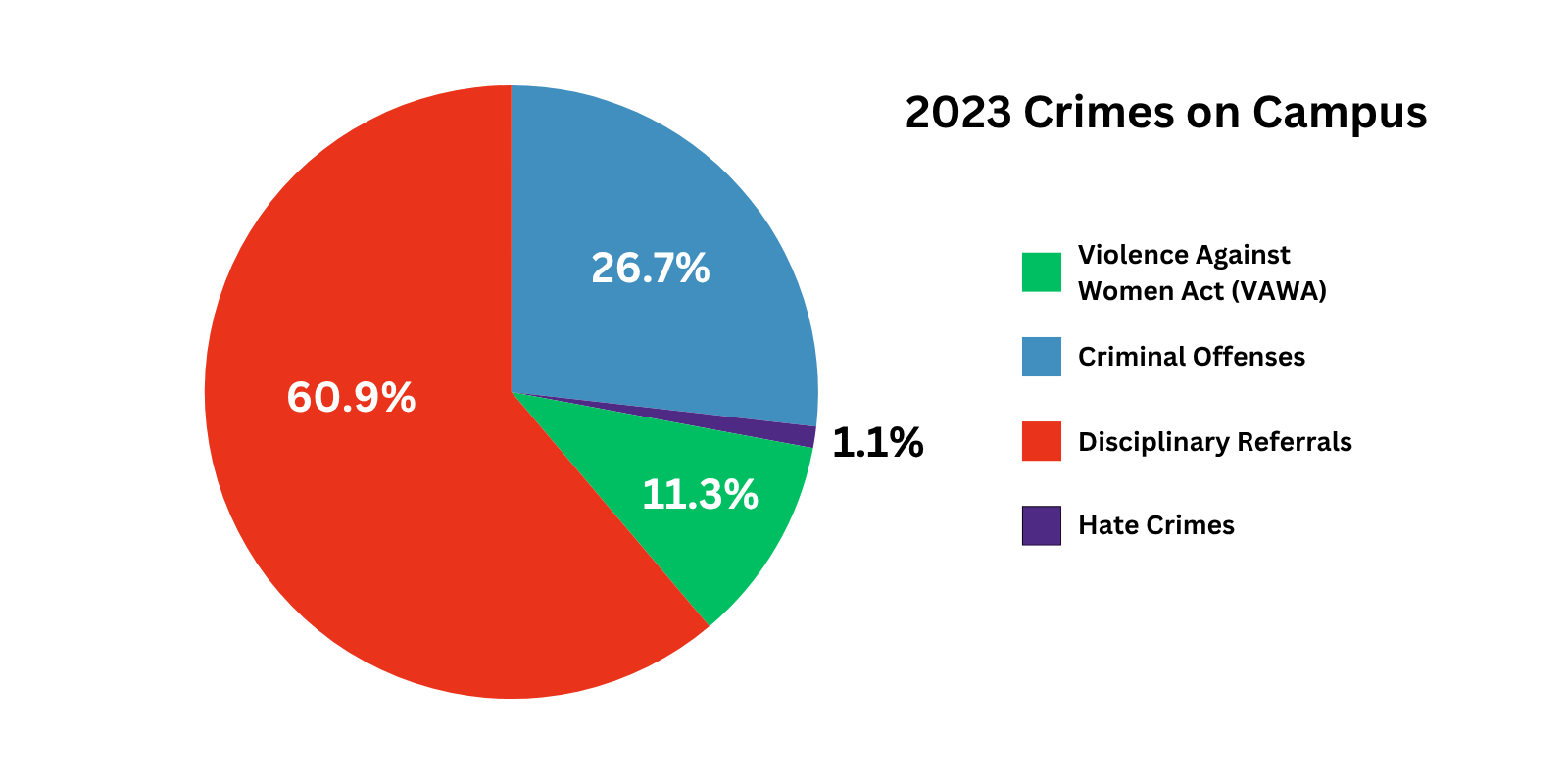
A majority of on-campus crimes fall under the disciplinary referrals category, but aren’t considered dangerous. As for the criminal offenses category, a majority of those crimes were sex crimes, specifically sexual assault, which can also occur in the VAWA crime category.
Crimes on college campuses tend to spike during certain periods of the school year, with the beginning of the fall semester being the most “dangerous” and thus nicknamed the “Red Zone.” Different times of the year also depend on the weather, school activities, as well as Greek life.
The first six weeks of the school year is known as the “Red Zone.” This is because during this time of the school year, there is a spike in reports of sexual assault. New students who have not developed a safety net of friends and people they can trust on campus, while facing new societal pressures, are more susceptible to danger on campus.
Several factors contribute to the trend:
Outside the “Red Zone,” crime rates tend to decrease but may increase during other times of the year. In a study done by the Journal of American College Health titled “Risk of Unwanted Sex for College Women: Evidence for a Red Zone,” it found that most crimes occurred during the red zone, and then the winter semester. This may be due to the fact that the winter semester has less work which means more free time for drinking and socializing. Crime rates may also spike up during finals and midterms when stress levels are high, as well as during rush week and spring break when students engage in off-campus activities that involve alcohol.
Crime reported by the Clery Act’s statistics may be skewed as many crimes on campus actually go unreported. In fact. The crime on campus that is the most under-reported is rape and sexual assaults. Based on a study done by the Association of American Universities (AAU) in 2020, they found that the reasoning students did not report the sexual assault crimes they faced are very complex. The main reasons being:
Despite the Clery Act’s mandatory reporting of crimes of campuses, 77% of colleges and universities reported zero incidents of sexual assault crimes, which is highly unbelievable as there are many studies that report rape to be the most common crime on campus.
Fraternities are meant to foster family and positivity, but they are often part of the problem. Fraternities are known to be participants in campus rape culture, with some even gaining a reputation. Fraternity Sigma Alpha Epsilon (SAE) gained the nickname for their letters SAE, as sexual assault expected.
Colleges and Universities pledge commitment to Title IX for protection of their students. Within Title IX, it explicitly prohibits sexual assault (SA) on campus, but it seems that many have failed to adhere to their commitment. There have been some efforts to cut down on sexual assault on campuses, but many times it is towards ill-conceived prevention initiatives which focus more of the victims rather than education for perpetrators.
Based on history, many colleges and universities have covered up crimes, specifically those regarding sexual assault in order to protect their reputation as well as the perpetrator’s contribution to the university. Sometimes perpetrators belong to families or groups that make significant donations or income for the university such as star athletes.
For example, in 2023, Baylor University settled a seven-year federal lawsuit from 2016, that was brought on by 15 women who were involved in a scandal regarding sexual assault by football players. Under the leadership of Baylor president Ken Starr, over several years, Baylor did little to respond to the many allegations of sexual assault involving 19 of their football players, as well as four gang rapes. In fact, championship-winning football coach Art Briles and athletic director McCaw worked hard to ensure that these crimes were kept quiet and was not properly reported based on Title IX regulations. All three in leadership roles were fired. Within the lawsuit, the women also wanted Baylor University to publicly release their report on how they now address sexual assault claims and victims.
False accusations can be highly detrimental not only to a college student’s academic career, but also their personal life and future career. In a college or university, the environment is known to be a place where reputation is held to a high standard. A wrongful accusation can lead to suspension, expulsion, scholarship loss, and even social ostracization. It is important to understand the college’s disciplinary process as it differs from the state’s legal system.
For students facing false accusations, it is of utmost importance to seek legal advice from a criminal defense attorney. A strong defense strategy involves gathering evidence, securing witness statements, and challenging the credibility of the accuser. By being proactive and trying to refute the accusation as soon as possible, students can protect their reputation, and thus protecting their present and future. There may be times, where even when their name is cleared, a student may still suffer consequences, including difficulty finding jobs and continuous emotional distress.
Across Texas, campus crime rates vary significantly among the state’s largest universities. The following map visualizes total reported crimes at 10 major Texas institutions in 2023, with circle size representing student enrollment and color intensity indicating crime levels.
| Ranking | University Name | 2023 Student Population | Total Crimes in 2023 |
|---|---|---|---|
| 1. | Texas A&M University, College Station | 76,633 | 787 |
| 2. | University of Houston | 46,676 | 264 |
| 3. | Texas State University | 38,722 | 235 |
| 4. | Texas Tech University | 40,773 | 203 |
| 5. | University of Texas at Austin | 53,082 | 171 |
| 6. | University of North Texas | 47,507 | 152 |
| 7. | The University of Texas at Arlington | 43,992 | 88 |
| 8. | The University of Texas at San Antonio | 34,864 | 71 |
| 9. | The University of Texas at Dallas | 30,885 | 30 |
| 10. | The University of Texas Rio Grande Valley | 31,931 | 23 |
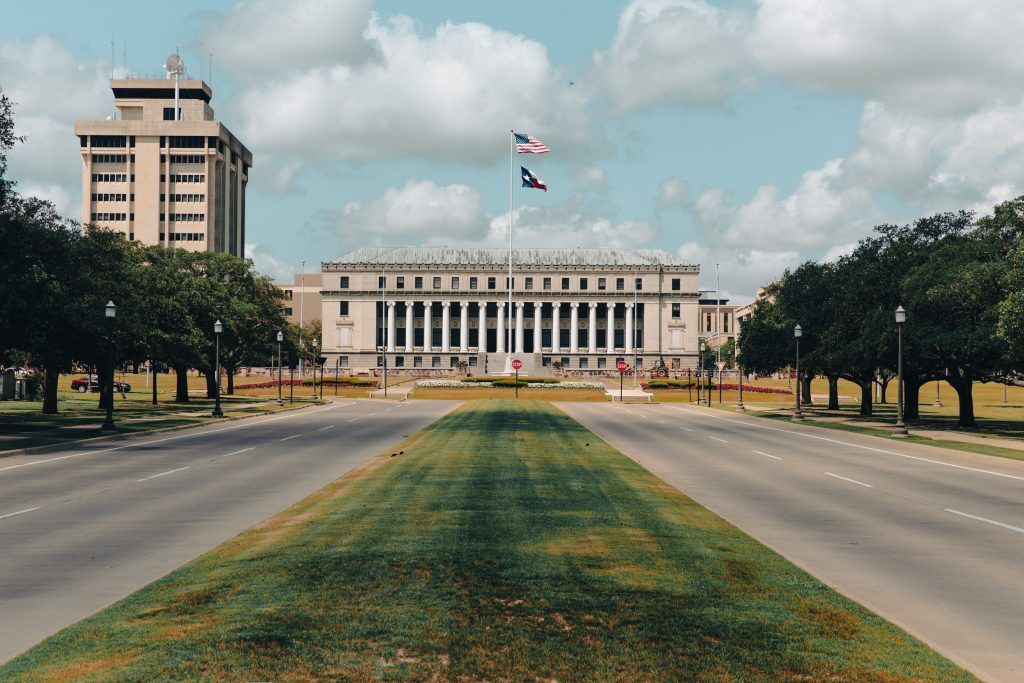
With a student population of 76,633 students in 2023, a total of 787 crimes were reported. Breaking it down, 336 were criminal offenses, 4 were hate crimes, and 447 were VAWA-related.
As per the Clery Act, Texas A&M is required to release a yearly crime report. The most recent report available is the 2025 Texas A&M College Station Security Report. The biggest difference in this report than previous years besides new data, is updated revisions to the sections. In May 2024, the “Sexual Assault, Dating Violence, Domestic Violence, and Stalking” section has been updated to reflect new modifications to offices, procedures, and training implemented with the Texas Education Code.

With a student population of 38,722 students in 2023, a total of 235 crimes were reported. Breaking it down, 118 were criminal offenses, 8 were hate crimes, and 109 were VAWA-related. Compared to Texas A&M, the overall crime rate was lower, but there are significantly fewer students that are in attendance. Here is the most up to date report, 2025 Annual Texas State University Security and Fire Safety Report.
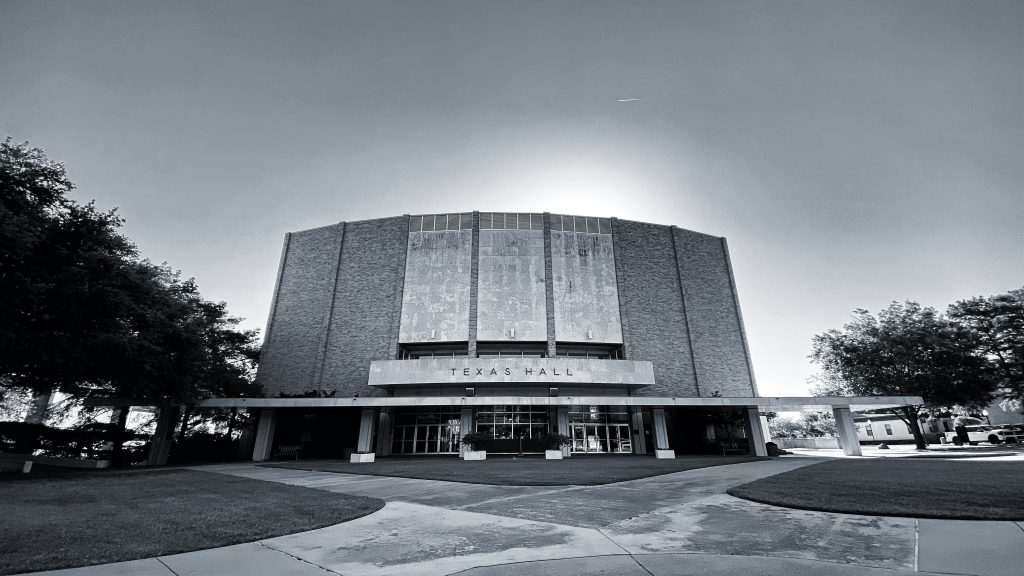
With a student population of 43,992 students in 2023, a total of 88 crimes were reported. There were 44 criminal offenses, 0 hate crimes, and 44 VAWA-related crimes. The 2025 University of Texas at Arlington Annual Security and Fire Safety Report outlines crime statistics as well as pollicies and procedures for all 3 campuses, UTA Arlington, UTA Fort Worth, and UTA Research Institute.
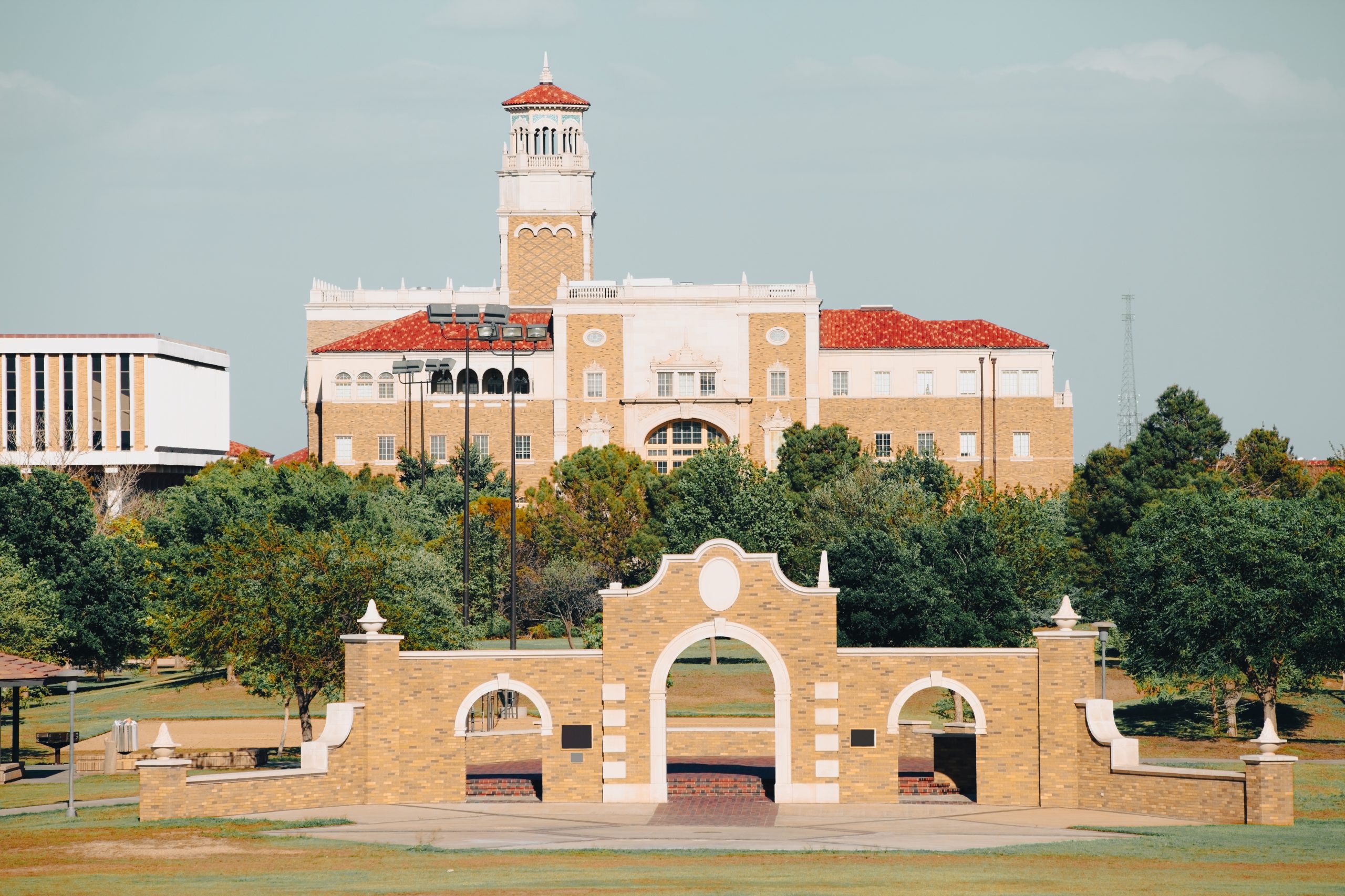
With a student population of 40,773 in 2023, a total of 203 crimes were reported. Breaking it down, 113 were criminal offenses, 6 were hate crimes, and 84 were VAWA-related. The most up-to-date Texas Tech University Annual Security Report can be found here.
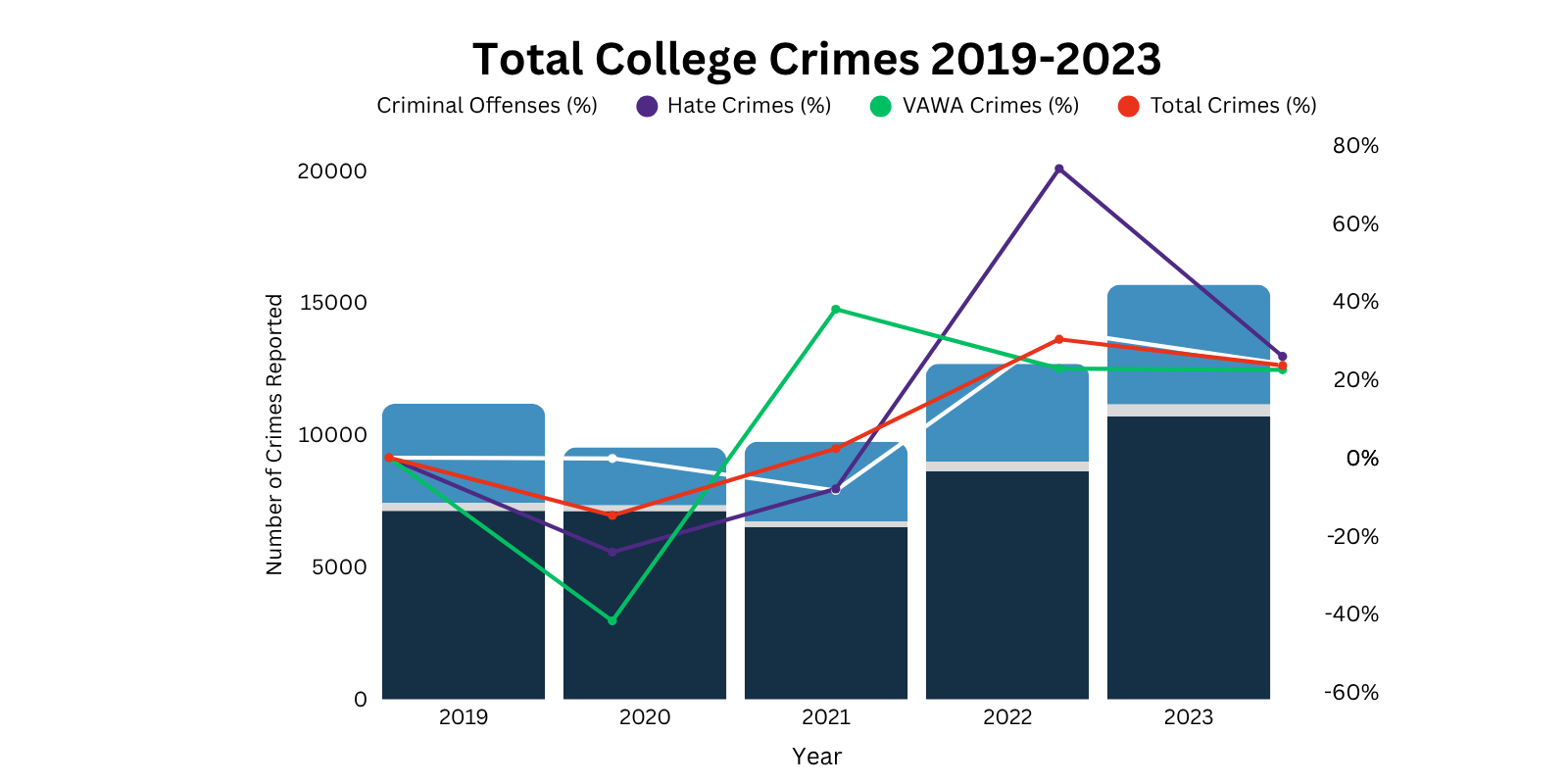
| Year | Criminal Offenses | Hate Crimes | VAWA Crimes | Total Crimes |
|---|---|---|---|---|
| 2019 | 7,127 (0%) | 298 (0%) | 3,751 (0%) | 11,176 (0%) |
| 2020 | 7,111 (-0.2%) | 226 (-24.2%) | 2,183 (-41.8%) | 9,520 (-14.8%) |
| 2021 | 6,514 (-8.4%) | 208 (-8%) | 3,012 (+38%) | 9,734 (+2.3%) |
| 2022 | 8,625 (+32.4%) | 362 (+74%) | 3,698 (+22.8%) | 12,685 (+30.3%) |
| 2023 | 10,695 (+24%) | 456 (+25.9%) | 4,531 (+22.5%) | 15,682 (+23.6%) |
For this study, we used data gathered through the Clery Act and compiled by Campus Safety and Security, in order to determine which colleges, per the filters chosen were the “most dangerous” in the United States. As a reminder, the filters used were, 4 year private and public universities and colleges, 30,000+ students, and campuses with on-campus student housing facilities. From there, we used additional primary and secondary sources from other studies and newspaper articles.